







Search Results for: Hot Beverage Safety
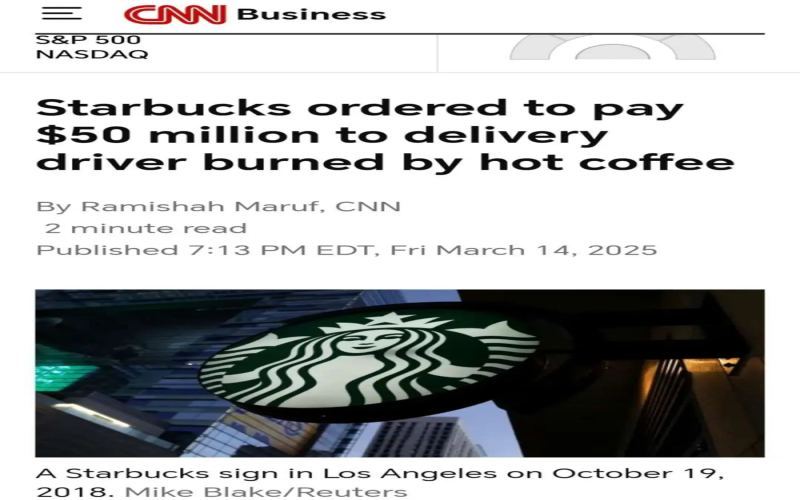
Starbucks hot drink cup lid not secured causes delivery driver third-degree burns, California jury awards 360 million yuan in damages
A hot beverage accidentally tipping over from a cup holder inflicted irreversible physical and psychological trauma on an ordinary delivery worker. A California jury recently ruled that Starbucks must pay up to $50 million in damages, a total that could climb to $60 million when interest and attorney fees are included. At the heart of the case is the question of who should bear the duty of ensuring safety during the beverage handoff. Surveillance footage, medical records, and the conflicting accounts of both sides together paint the picture of a years-long legal tug-of-war. This article lays out the full sequence of events, the injured person's condition, the basis for the ruling, and Starbucks' response and intention to appeal, guiding you through this consumer safety lawsuit that has drawn widespread attention. [more…]
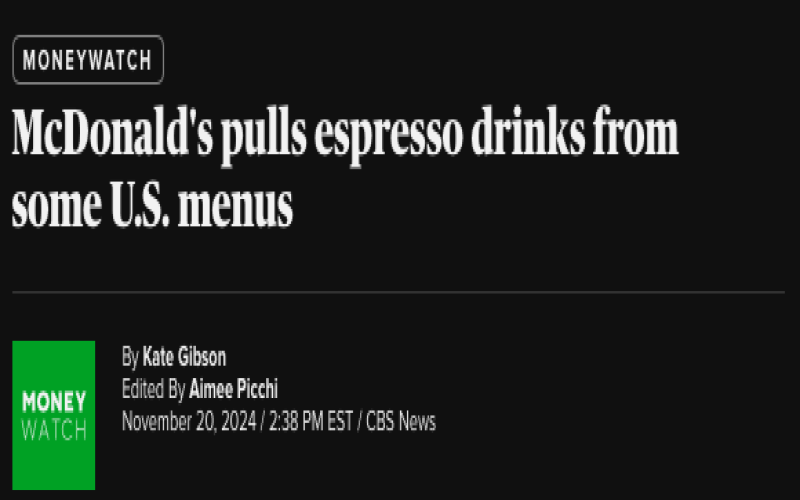
Some McDonald's locations have been reported to have steam explosion hazards in their coffee machines, leading to a suspension of related beverage supply in the US and Canada.
McDonald's recently suspended the use of certain coffee machines at some restaurants in the United States and Canada after its coffee machine supplier, Melitta, reported safety hazards with the equipment, leaving espresso-based drinks, hot chocolate, and other products unavailable. According to CBS News, Melitta found that a component of the coffee machines may be defective, potentially causing a steam explosion and damaging the equipment, and inspections and investigations could last three weeks. McDonald's has more than 14,000 restaurants across the United States and sells nearly 8 million cups of coffee every day. The incident has affected multiple cities, including Atlanta, Dallas, Pittsburgh, New York, and Tampa. The brand said it is assessing the scope of the impact and working closely with the supplier to restore supply as soon as possible. [more…]
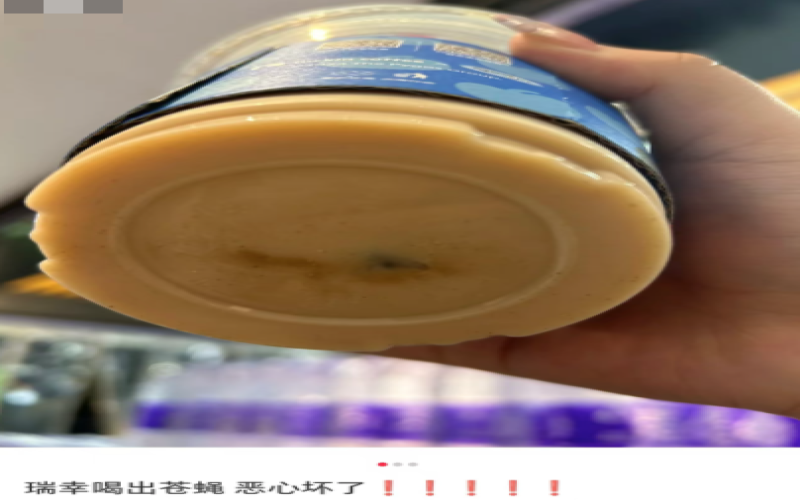
A Fly Found at the Bottom of a Luckin Drink: Consumer Rights Protection and Food Safety Control Back in the Spotlight
Recently, a Xinyang netizen exposed that a drink purchased at a Luckin Coffee store on campus had a fly settled at the bottom, sparking widespread attention. The consumer refused the store's initial offer of a free drink and a complimentary beverage, demanding compensation in accordance with the law. Luckin's after-sales service called multiple times, offering coupons, and was even accused of implying that the consumer had put the foreign object in themselves. In the end, the employee involved was fired, and the consumer received 500 yuan in compensation. This is not the first time Luckin has been embroiled in a food safety scandal; there have previously been incidents involving foreign objects such as work badges and ants. At a time when competition in the tea beverage market is white-hot, a brand's sincerity in handling problems has become key to consumer trust. This article reviews the course of the incident and the legal basis, and includes related recommendations from Front Street Coffee. [more…]

Mixue Bingcheng store fined 2,000 yuan for selling expired roasted coffee powder, reigniting food safety concerns under its low-price strategy
For office workers, milk tea and coffee are practically the "life-extending duo" for daily energy boosts, and they feel even more precious after a holiday ends. Mixue Bingcheng, with its dense network of stores from shopping malls to street corners and its affordable prices, lets many consumers enjoy a sweet treat with ease. However, a Mixue Bingcheng store in Guilin, Guangxi, was recently fined 2,000 yuan by regulators and had the involved ingredients confiscated because its roasted coffee powder had exceeded its shelf life. This incident has once again cast a shadow over the brand's image. Food safety issues occur frequently in the new-style tea beverage industry. While expanding rapidly, can Mixue Bingcheng hold the line on quality? This article will review the course of the incident and the industry background, and include channels for obtaining professional coffee information. [more…]

A septuagenarian woman in the US suffered severe scalding burns from hot coffee, and the donut shop was ordered to pay $3 million, once again drawing attention to coffee temperature safety.
A scald accident caused by a cup of hot coffee has once again ended in a massive payout. In 2021, a woman in her seventies in Atlanta, USA, suffered second- and third-degree burns when the lid came off as she collected her coffee at a Dunkin' Donuts drive-thru, and was eventually awarded $3 million. This case is strikingly similar to the McDonald's coffee scald case that caused a sensation in the 1990s, and it has also brought the issues of hot beverage temperature, cup lid safety, and employee training back into the public eye. As coffee lovers, we care about flavor, but we should not overlook the safety details behind every cup of hot coffee. Front Street Coffee has always advocated that professional production lies not only in taste, but also in responsibility to customers. [more…]
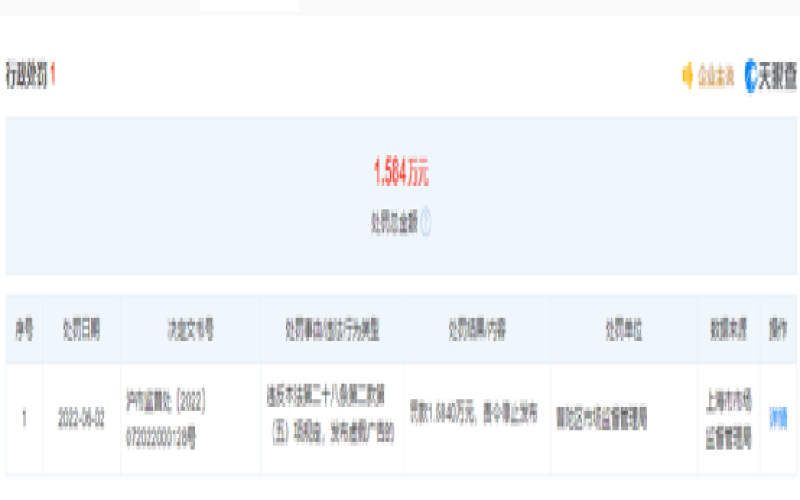
Nayuki Fined for False Advertising, New Tea Beverage Brands' Cultural Marketing Faces a Trust Test
Nayuki received a fine for a false advertisement regarding mulberry ingredients, drawing attention to its brand marketing methods. This is not the first time Nayuki has been embroiled in controversy; since its listing, multiple stores have been exposed or penalized for food safety issues. Meanwhile, Nayuki has been trying to connect with young consumers through cultural, artistic elements, and social marketing. From high-priced tea drinks to loss-making financial reports, to closing its largest store and establishing a new company, Nayuki is seeking a new path to survival. This article reviews the sequence of events, historical penalty records, and the multiple challenges the brand faces in marketing and operations, and explores the core of competition in the new tea beverage industry. [more…]
Analysis of Coffee Drinking Frequency and Health Risks: Ochratoxin A Contamination Levels and Population Exposure Assessment
Coffee is an essential daily beverage for many people, but discussions surrounding its safety have never ceased. As a fungal metabolite that may contaminate coffee, can ochratoxin A cause health damage to long-term drinkers? Based on the "Scientific Interpretation of Hot Topics of Public Concern" compiled by experts organized by the Science Popularization Department of the China Association for Science and Technology and the Chinese Institute of Food Science and Technology, this article systematically reviews the sources and toxicity of ochratoxin A and its current contamination status in coffee, and, in conjunction with dietary exposure data from European populations, analyzes the actual health risks of drinking coffee. At the same time, in light of the characteristics of coffee consumption in China, it provides a scientific and rational assessment conclusion to help coffee lovers eliminate unnecessary concerns and enjoy every cup of coffee with peace of mind. [more…]
Raw-pickled hairy crab paired with milk tea sparks debate; blogger's staged photo shoot questioned, experts warn against imitation
Recently, a short video showing raw drunken hairy crabs being added to milk tea cream and eaten quickly spread on social platforms, sparking widespread discussion. In the video, the blogger tasted this self-created drink at a popular milk tea shop, but it was later confirmed that the blogger had brought the crabs themselves for the staged video, and the shop did not sell the product. Netizens had mixed opinions on this behavior, while experts explicitly reminded the public not to imitate it, as eating frozen milk tea together with raw crab doubles the irritation to the stomach and intestines, and misleading the public for traffic is highly inadvisable. This incident also reflects the current situation in which the new tea beverage industry frequently engages in cross-sector innovation, but if innovation loses its boundaries, especially when food safety is involved, it is worth deep reflection. [more…]
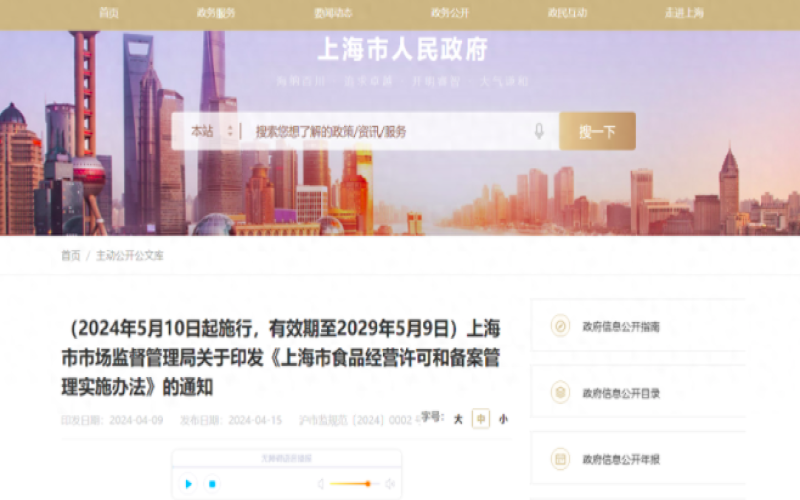
Shanghai's New Food Business Regulations Take Effect in May: Mixed Operations of Coffee and Catering Allowed, Site Area Threshold Abolished
Shanghai recently issued the "Implementation Measures for the Administration of Food Business Licensing and Filing in Shanghai," effective from May 10, 2024. The new regulations abolish secondary-category licensing items and support mixed multi-format operations, allowing coffee shops, bars, and others to coexist in the same storefront, while non-catering stores such as bookshops and clothing stores can also apply for a business permit to make beverages on-site. At the same time, "made and sold on-site" has been adjusted to "made and sold on the premises," the 19 business catalog items have been simplified into 4 categories—hot food, cold food, raw food, and self-made beverages—and the 6-square-meter production site restriction has been removed. In response to the long-disputed "smashed cucumber" issue, the new regulations allow a dedicated area only. Whether the policy benefits can activate the market and ensure food safety still needs time to be tested. [more…]
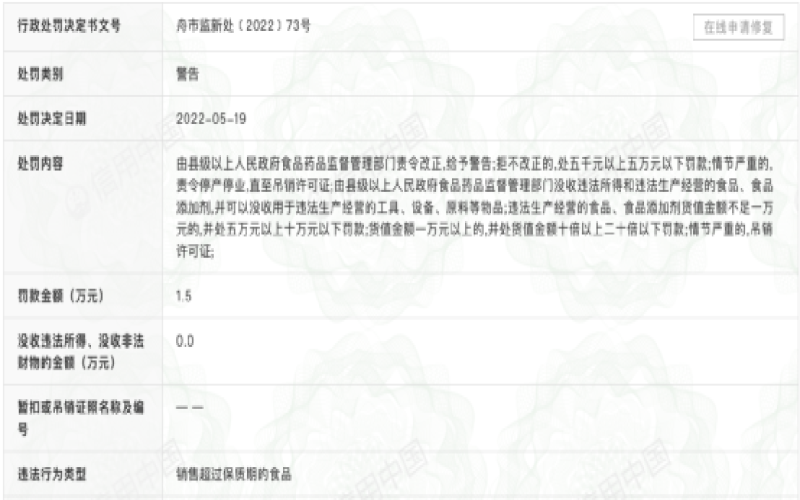
Punished bit by bit! Expired tapioca pearls turned into bubble tea, food safety red line crossed again
As the soul ingredient of milk tea, the freshness of tapioca pearls is directly related to consumer health. Recently, a Yidian Dian store at Zhoushan Ruxin Plaza was fined 15,000 yuan by regulatory authorities for using expired tapioca pearls to make and sell Bubble Milk Tea and other drinks. An investigation showed that the store involved not only used ingredients beyond their shelf life, but also failed to establish purchase inspection records as required. This is not the first time Yidian Dian has been involved in a food safety controversy; previously, a Fuzhou store was reported to have had a bug found in its milk tea. As the peak season for summer beverage consumption arrives, food safety issues have once again sounded the alarm. [more…]
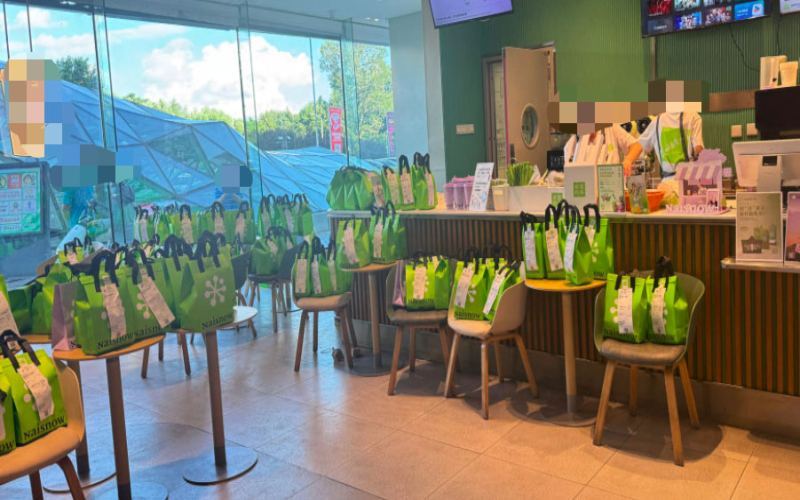
A JD rider entered a Bawang Chaji bar counter to help with packing, sparking heated discussion among netizens over food safety regulations.
Yesterday, the topic of "the first cup of milk tea in autumn" sparked widespread attention on social platforms, with orders at chain tea beverage brand stores surging, and some stores surpassing a thousand cups in sales within a short period. Under the pressure of the order surge, a scene appeared at a Certain Tea store where a JD delivery rider entered the bar area to assist with packing. After the video circulated, it triggered polarized discussions among netizens. Some praised the rider's goodwill in proactively helping, while others questioned whether non-store employees entering the operation area complies with food safety regulations. Surrounding bar operation permissions, health certificate requirements, and store management systems, various viewpoints clashed, and the incident quickly became a hot topic of discussion. [more…]
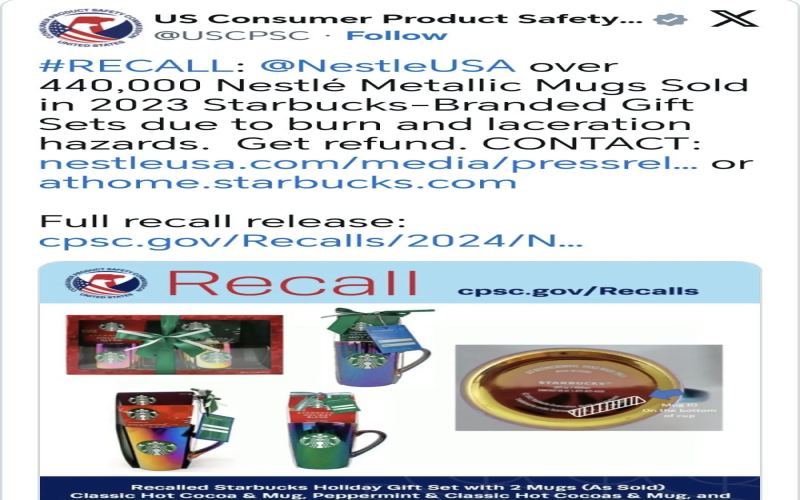
Starbucks metallic-coated mug shatters when heated: Nestlé urgently recalls 440,000 units, 10 people injured
Starbucks has long been a globally renowned "cup factory," and its released mugs are highly sought after due to their limited-edition attributes or unique designs, even becoming hot items on the second-hand market. A metallic-coated mug launched in the United States last November captured the hearts of many consumers with its dazzling appearance, with cumulative sales exceeding 440,000 units. However, this best-selling product was recently urgently recalled by its producer, the American company Nestlé. The reason is that the mug has serious quality issues: when filled with hot water, hot coffee, or placed in a microwave for heating, the cup body may crack under high temperatures, causing burns or cuts to users. The U.S. Consumer Product Safety Commission has confirmed 12 incidents, with 10 people injured. This article will sort out the ins and outs of the recall event and how consumers should handle it. [more…]
Guming Milk Tea Gecko Incident Follow-up: Involved Store Closed for Self-Inspection, Headquarters Says Sealing Temperature Reaches 180 Degrees
Recently, news about a gecko found in a cup of GoodMe milk tea rapidly went viral on social media, drawing widespread attention. According to Southern Metropolis Daily, a consumer at the Shaxi store in Chaozhou, Guangdong discovered a foreign object while drinking, and surveillance video captured the moment they sprang from their seat in shock. The GoodMe store involved immediately suspended operations for self-inspection, and the headquarters responded that the sealing process reaches temperatures as high as 180 degrees Celsius, making it extremely unlikely for a gecko to enter. The store has now been taken offline on the Meituan delivery platform. The truth of the incident is still under investigation, and netizens are discussing it widely. As coffee enthusiasts, we are equally concerned about food safety in the beverage industry, and Front Street Coffee has always advocated for quality and peace of mind in drinking. [more…]
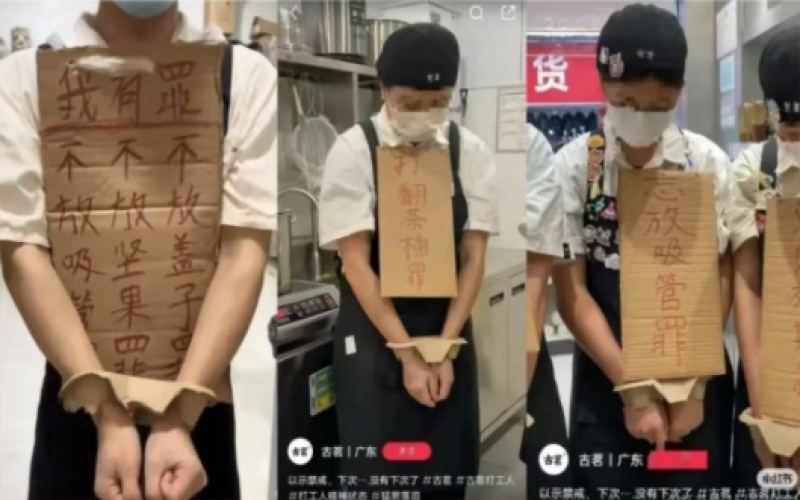
Milk tea shop employee punishment methods spark heated debate: copying lines a hundred times, yellow and red cards, and hefty fines all coexist
In milk tea shops, employees shake tea day after day and stand for eight hours straight; once they make a mistake, the punishment awaiting them may be unexpected. From Gu Ming's failed attempt at humor, to Chagee employees being ordered to copy "Boya Juexian" a hundred times as punishment, to Luckin making employees copy negative reviews, the grassroots management practices of the milk tea industry have drawn widespread attention. Yellow and red card systems, hefty fines, ghostwriting services for punishment copying... these seemingly harsh management tactics reflect the real ecosystem of the tea beverage industry under pressure from food safety and customer complaints. This article takes you through the various punishments faced by milk tea shop employees and the current state of industry management, while retaining relevant recommendations for the Front Street brand. [more…]
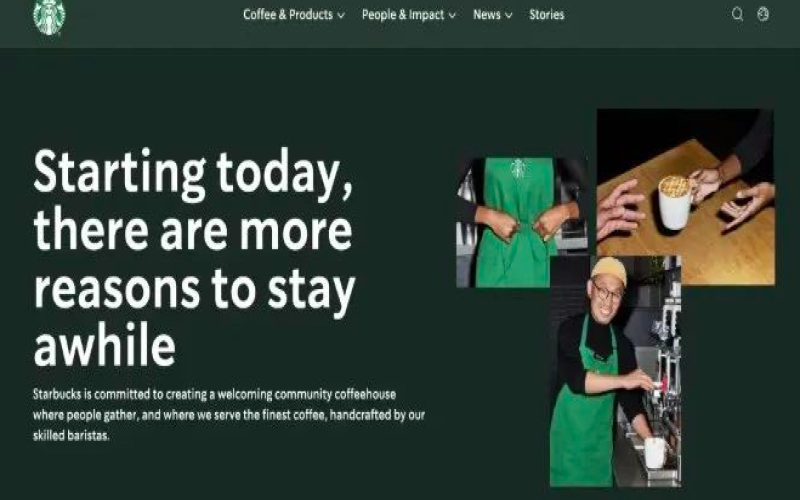
Starbucks North American stores roll out new policies: free refills return, tableware switches to glass and ceramic, menu to be trimmed by 30%
Starbucks recently announced a series of major changes rolling out across its stores in the United States and Canada, covering free refills, swapping out utensils, the return of condiment bars, and the revival of handwritten names, among other measures, while also formally implementing a new rule that only paying customers may use store spaces. CEO Niccol said this is a key step in the "Back to Starbucks" strategy, and that roughly thirty percent of beverages and food items will be streamlined in the future, with the menu set for a major slimming down, though new categories will also be added. Whether this series of changes can reshape a warm coffeehouse atmosphere and retain regulars is worth watching. [more…]
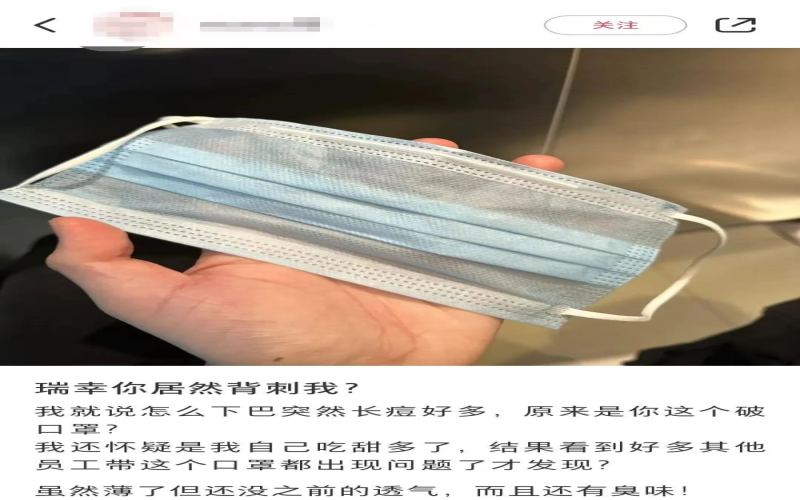
New masks at Luckin Coffee stores cause skin problems for employees, lightweight material suspected as the source of irritation.
In the food service industry, it is already the norm for employees to wear masks at work. However, during the hot summer days, keeping one's mouth and nose covered under a mask for long periods inevitably causes discomfort. Recently, employees at Luckin Coffee stores noticed that the new masks distributed by headquarters differ noticeably from the old version—lighter in color and thinner in material, yet breathability does not seem to have improved as expected. After wearing them for a few days, many employees developed red bumps and itching on their chins and cheeks, and some suspect this batch of "veil masks" is the culprit behind their skin breakouts. Employees also reported that the new masks have an odor, and a few sensitive individuals experienced itching in the nose after putting them on. Everyone worries that these thin masks not only have questionable protective effectiveness but may also trigger allergies due to material issues. Some employees have already said they will buy their own masks as replacements. Although requiring masks is intended for food safety reasons, the skin problems reported this time may be worth Luckin re-examining the quality of its masks. [more…]
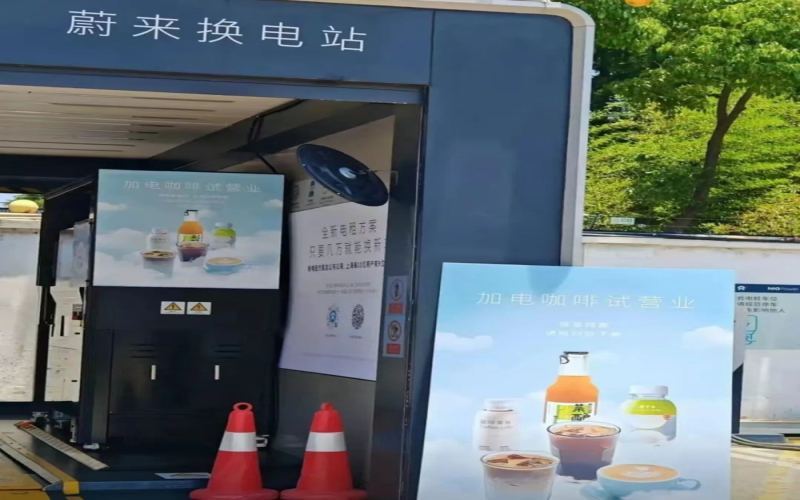
NIO Power Swap Stations Launch Freshly Ground Coffee Service: Robotic Arms Deliver Drinks to Car Windows, Shanghai Pilot Sparks Heated Discussion Among Owners
As early as 2022, the new energy vehicle brand NIO created its own coffee brand to offer exclusive beverages to customers visiting its stores. Recently, some owners have discovered that this coffee service has expanded from the stores to battery swap stations, where fully automatic coffee machines have been installed and are in the testing phase. After users place orders via a mobile mini-program, the coffee is precisely delivered by a robotic arm to the driver's window, while bottled drinks are handed over by staff. Currently, only the Minxin Tea City battery swap station in Shanghai is running a trial of "charging coffee," and the brand says it will adjust the equipment based on feedback and may expand it nationwide in the future. This cross-industry service has drawn praise from car owners and also sparked discussions about safety and scenario expansion. [more…]
Colombian Decaf Coffee Flavor Analysis: Taste Characteristics, Health and Safety, and Weight Loss Questions Fully Answered
Although caffeine can boost alertness, excessive intake may affect sleep and health, making decaf coffee an alternative choice for many enthusiasts. From the perspective of Front Street Coffee, this article traces the historical origins of decaf coffee, covers the basics of caffeine, explains the differences in decaffeination processes, and highlights a decaf coffee bean from the Huila region of Colombia. The article also explores whether decaf coffee is safe, whether it can help with weight loss, what its pros and cons are, and provides specific brewing parameters and flavor profiles, helping readers gain a comprehensive understanding of what decaf coffee is really like. [more…]
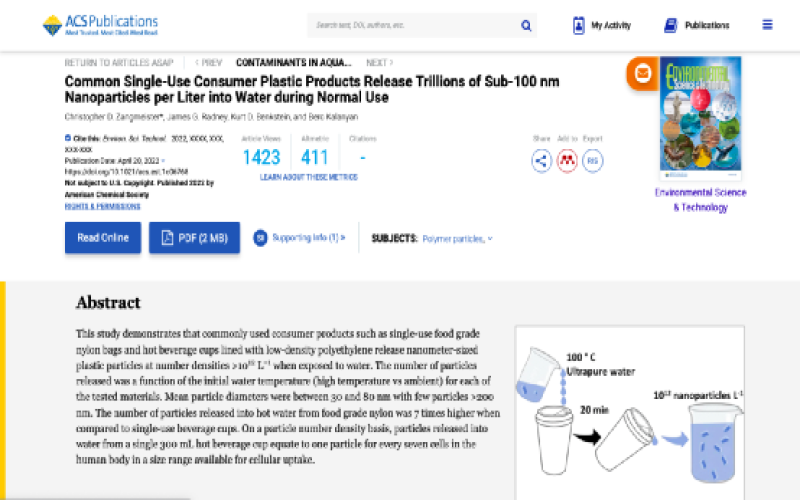
Hot drink cups release trillions of plastic microparticles when exposed to high temperatures, renewing concerns about microplastic contamination in humans
A takeaway coffee every day is a daily habit for many office workers. But have you ever considered that the paper cup holding hot coffee might be quietly releasing trillions of plastic particles into your drink when it meets hot water? Researchers at the U.S. National Institute of Standards and Technology conducted experiments on this, and the results are concerning. In fact, multiple previous studies have confirmed that microplastics and nanoplastics have already invaded human blood and lungs. Facing this invisible health threat, bringing your own cup may be the simplest and most effective way to respond. [more…]
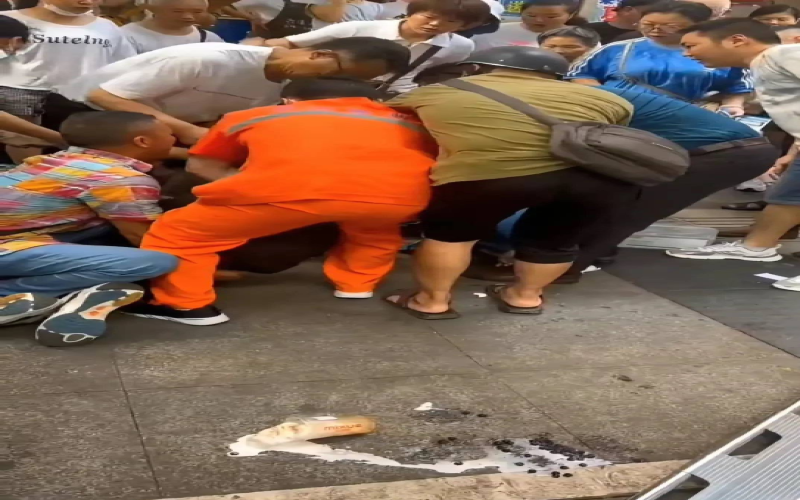
16-year-old boy suspected to have died after choking on bubble tea; family clarifies cause of death, Mixue responds
In the height of summer, iced milk tea becomes the go-to beverage for many people looking to beat the heat, but the hidden safety risks cannot be ignored. Recently, a 16-year-old boy in Ziyang, Sichuan, is suspected to have tragically died after choking on bubble tea, and scattered Mixue Bingcheng milk tea appeared in on-site video, sparking widespread attention. Mixue Bingcheng promptly responded, saying there is no evidence that the incident is related to its products. Subsequently, the deceased's family came forward to clarify, stating that hospital feedback showed no foreign objects were found in the esophagus or trachea and that the actual cause of death was cardiac arrest. The incident has once again raised public awareness of the Heimlich maneuver. This article will review the course of events, the responses from all parties, and explain the correct first-aid method for choking on a foreign object, helping everyone stay safe while enjoying tasty drinks. [more…]